
Discovering the Best Flavors at a Canggu Restaurant

Exploring the Culinary Landscape of Canggu
Canggu, a coastal town on the island of Bali, has evolved from a quiet surf spot into a vibrant hub for food lovers. The blend of traditional Indonesian flavors with international influences creates a dynamic dining scene that caters to both locals and travelers seeking authentic experiences.
Strolling along the bustling streets, you’ll encounter eateries ranging from humble warungs serving fragrant nasi goreng to upscale venues offering innovative tasting menus. This diversity reflects the town’s openness to culinary experimentation while honoring its cultural roots.
Why Canggu Stands Out
The area’s laid‑back vibe encourages chefs to experiment with fresh, locally sourced ingredients. From organic vegetables grown in nearby farms to sustainably caught seafood, the emphasis on quality is evident in every dish. Moreover, the community’s focus on sustainability has led many restaurants to adopt eco‑friendly practices, such as zero‑waste cooking and compostable packaging.
Key Ingredients That Define the Flavor Profile
Balinese spices like turmeric, lemongrass, and galangal form the backbone of many dishes, delivering warm, aromatic notes. Coconut milk adds a creamy richness, while tamarind provides a pleasant tang. Together, these elements create a harmonious balance that is both comforting and exciting for the palate.
Finding the Perfect Spot for a Memorable Meal
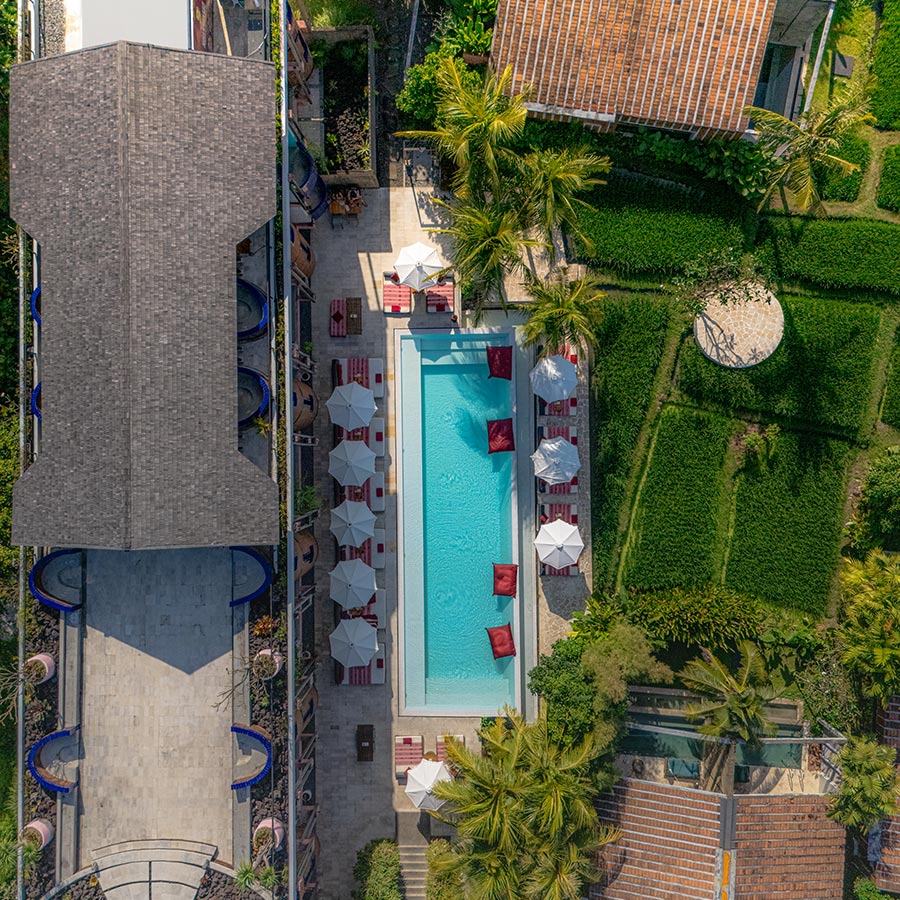
Choosing a restaurant in Canggu can feel overwhelming given the sheer number of options. Start by considering the atmosphere you desire—whether it’s a beachfront setting with sunset views or a cozy garden courtyard surrounded by tropical foliage.
For those seeking a blend of modern aesthetics and traditional flavors, many establishments incorporate open‑kitchen concepts, allowing diners to watch chefs craft each plate with precision. This transparency not only enhances trust but also adds an element of theater to the dining experience.
Signature Dishes to Try
Among the must‑try items are the iconic Balinese babi guling (roast pork) seasoned with a blend of spices and served with crispy skin, and the fresh fish tacos that marry local catch with Mexican flair. Vegetarian travelers will appreciate the hearty tempeh satay, marinated in a sweet‑spicy glaze and grilled to perfection.
Integrating Local Culture into Your Meal
Many restaurants host live gamelan performances or traditional dance shows, enriching the dining experience with cultural immersion. Participating in these events provides a deeper appreciation for Bali’s artistic heritage while you savor each bite.
Practical Tips for Dining in Canggu
Reservations are advisable, especially during peak tourist seasons, as popular venues often fill up quickly. If you prefer spontaneity, explore lesser‑known alleyways where hidden gems await, offering authentic flavors without the crowds.
When ordering, don’t hesitate to ask the staff for recommendations based on your taste preferences. Their insight can lead you to off‑menu specialties or seasonal dishes that showcase the freshest ingredients available.
Understanding the Menu Language
While many menus are bilingual, some traditional dishes may retain Indonesian names. Familiarize yourself with terms like “nasi” (rice) and “sate” (skewered meat) to navigate the options confidently. This knowledge also demonstrates respect for the local culinary culture.
Budgeting for a Culinary Adventure
Dining costs in Canggu vary widely. Street food stalls offer delicious meals for a few dollars, whereas fine‑dining establishments may command higher prices for premium ingredients and curated experiences. Setting a budget beforehand helps you balance indulgence with affordability.
Conclusion
Exploring a canggu restaurant offers more than just a meal; it provides a gateway to Bali’s rich culinary heritage, innovative gastronomy, and vibrant community spirit. By understanding the local flavors, selecting the right ambiance, and embracing cultural elements, you can create unforgettable dining memories that capture the essence of Canggu’s dynamic food scene.